


Destination Everyday Recipes – Aotearoa - Key Ingredients
Everyday cooking in Aotearoa is shaped by what grows here, what’s been passed down, and what’s become part of our kitchens over time. Māori cooking traditions draw strongly on the natural environment, seasonal availability, and respect for ingredients, while modern New Zealand food reflects a blend of Māori knowledge and introduced flavours that have been embraced and adapted.
As part of the Destination Everyday Recipes – Aotearoa series, this post looks at a few key ingredients commonly used or referenced in traditional and contemporary Māori-influenced cooking — ingredients that continue to inspire how we cook today.
Horopito – Native Pepperberry

Horopito is one of Aotearoa’s most distinctive native plants and is often referred to as New Zealand pepperberry. Traditionally used by Māori for both culinary and medicinal purposes, horopito has a warm, peppery heat that builds gradually rather than overpowering.
In everyday cooking, horopito works beautifully:
As a seasoning for meats such as beef or lamb
Crushed into marinades or rubs
Added sparingly to sauces or crumb coatings
A little goes a long way, making it ideal for modern kitchens experimenting with native flavours.
Mānuka – Honey with Depth & Character
Mānuka honey is internationally known, but within New Zealand it has long been valued for more than its sweetness. Sourced from the mānuka tree, this honey has a rich, earthy flavour with a slight bitterness that sets it apart from other varieties.
In Māori and New Zealand-inspired cooking, mānuka honey is often used to:
Balance savoury flavours in marinades
Glaze meats and vegetables
Add depth to dressings and sauces
Because of its strong character, mānuka honey pairs especially well with robust ingredients like beef, pork, and root vegetables.
Lemon – A Modern Staple with Local Roots

While lemon is not native to Aotearoa, it has become a cornerstone of New Zealand home cooking. Introduced through European settlement, lemons thrive in many parts of the country and are now a familiar sight in backyard gardens.
Lemons are often used to:
Brighten rich or earthy flavours
Cut through fatty meats and sauces
Add freshness to seafood and vegetables
In Māori-influenced modern cooking, lemon frequently sits alongside native ingredients, creating a balance between tradition and adaptation.
Kawakawa – Peppery and Aromatic
Kawakawa is another native leaf used traditionally in Māori cuisine and herbal remedies. It has a subtle, warm peppery taste and a slightly citrusy aroma.

Everyday cooking uses:
Infusing oils or sauces for seafood and poultry
Adding flavour to soups or slow-cooked dishes
Brewing into teas for a refreshing, aromatic drink
Kūmara – Sweet Potato
Kūmara is a staple in Māori diets, introduced from Polynesia centuries ago. It’s naturally sweet, versatile, and pairs beautifully with meats and greens.
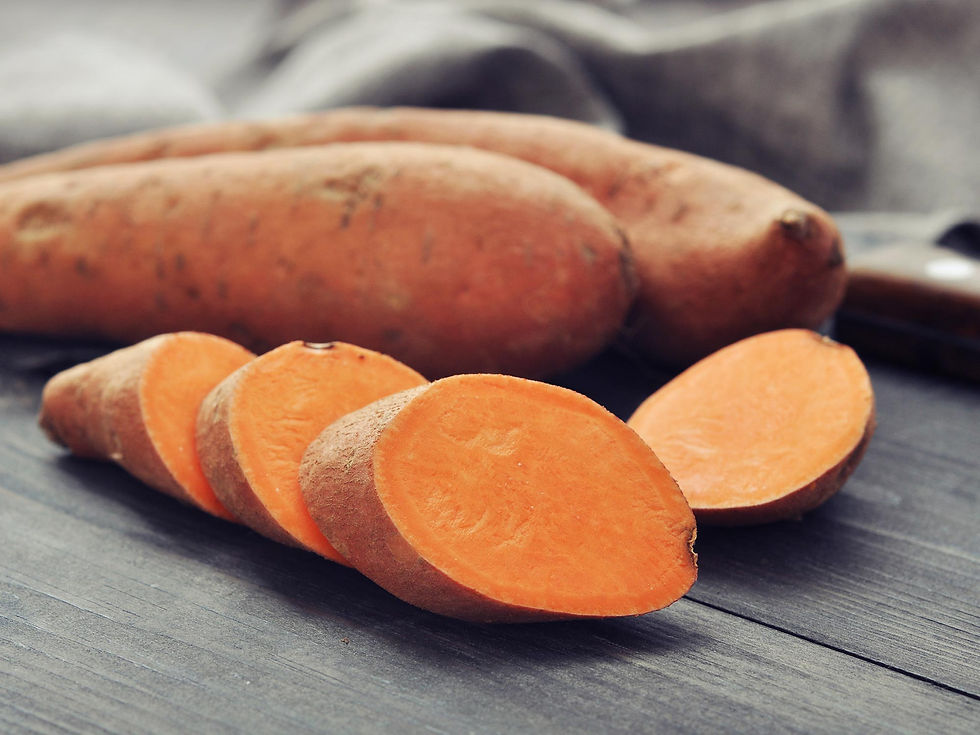
Everyday cooking uses:
Roasted or mashed as a side dish
Cut into wedges for oven-baked meals
Stirred into stews or soups for natural sweetness
Puhā – Native Greens
Puhā (wild sow thistle) is a traditional leafy green used by Māori. It has a slightly bitter flavour, similar to spinach, and was historically cooked with meats or in soups.

Everyday cooking uses:
Lightly steamed or sautéed as a side vegetable
Mixed with kūmara mash for a hearty meal
Added to soups and stews for earthy flavour
Cooking with Respect & Simplicity
Traditional Māori cooking focuses on seasonality, balance, and sharing food with care. As modern home cooks we can draw inspiration from these principles, incorporating native ingredients thoughtfully while keeping everyday cooking simple and practical.
These ingredients are just the beginning. Throughout the Destination Everyday Recipes – Aotearoa series, I’ll continue to explore easy, flavour-led recipes that celebrate New Zealand’s native produce, Māori culinary heritage, and contemporary Kiwi kitchens.
Keep an eye out for upcoming recipes featuring kawakawa, kūmara, horopito, pūhā, and more as we continue the journey through everyday New Zealand cooking.


Comments